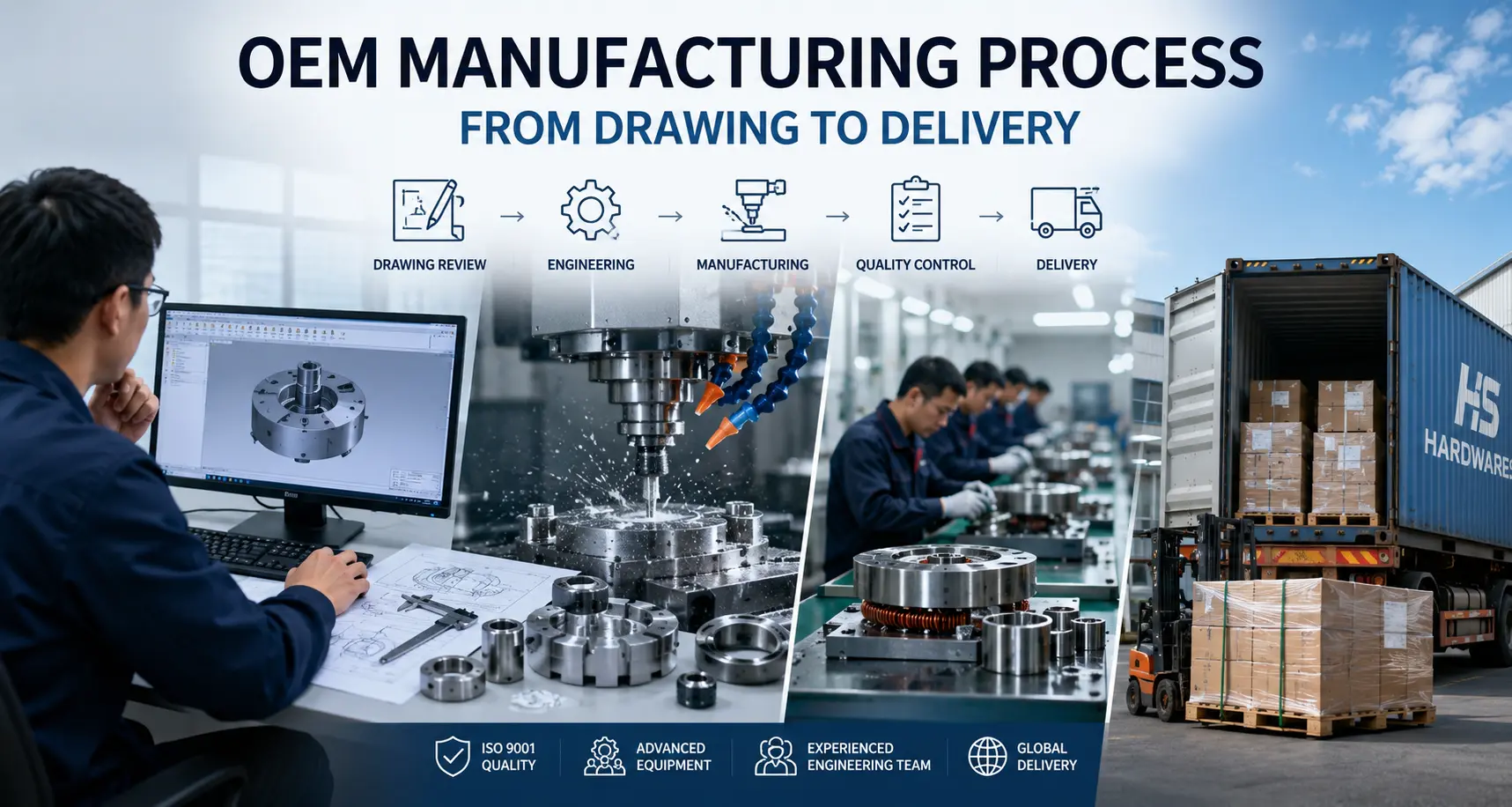
OEM manufacturing allows companies to transform engineering concepts into reliable, production-ready components without investing in their own manufacturing facilities. Whether you’re sourcing custom magnetic assemblies, precision stamping parts, or motor components, understanding the OEM process helps reduce project risks, improve communication, and accelerate product development.
At HS Hardwares, we provide a complete OEM manufacturing service that supports customers from initial design review to global delivery.
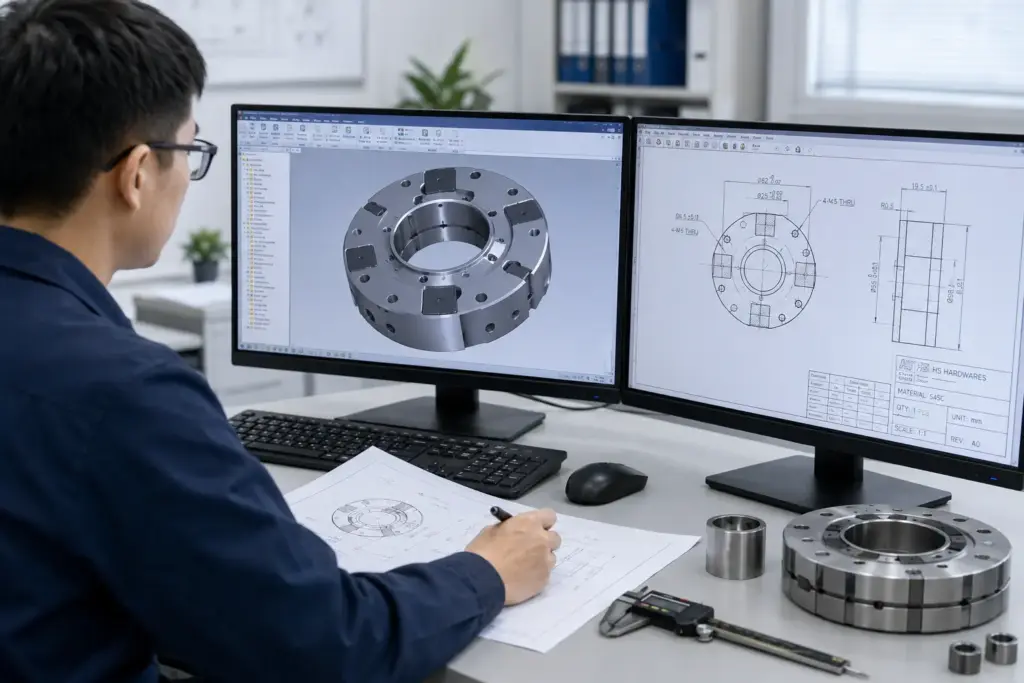
Step 1: Engineering Drawing Review
Every OEM project begins with technical documentation. Customers typically provide:
- 2D drawings (PDF, DWG)
- 3D CAD models (STEP, IGES, SolidWorks)
- Material specifications
- Surface treatment requirements
- Dimensional tolerances
- Assembly requirements
Our engineering team carefully reviews every drawing to evaluate manufacturability, identify potential production challenges, and recommend design improvements that can reduce costs while maintaining product performance.
Early engineering collaboration helps prevent expensive modifications later in production.
Step 2: Material Selection
Choosing the right material is critical for product performance and durability.
Depending on the application, we recommend suitable materials such as:
- NdFeB magnets
- SmCo magnets
- Stainless steel
- Carbon steel
- Aluminum alloys
- Copper alloys
- Electrical steel
For magnetic products, engineers also consider magnetic grade, operating temperature, coating options, and magnetic orientation to ensure optimal performance in the final application.
Step 3: Prototype Development
Before mass production, prototypes are manufactured for validation.
Prototype production allows customers to verify:
- Dimensional accuracy
- Mechanical fit
- Assembly compatibility
- Magnetic performance
- Functional testing
Rapid prototyping shortens development cycles and reduces the risk of large-scale production issues.
Step 4: Production Planning
After prototype approval, our production team prepares detailed manufacturing plans.
Production planning includes:
- Process routing
- Tooling preparation
- Production scheduling
- Quality control planning
- Material procurement
- Capacity allocation
Well-organized planning improves production efficiency and ensures stable delivery schedules.
Step 5: Manufacturing and Assembly
Production may involve multiple manufacturing processes depending on the product.
Common capabilities include:
- Precision metal stamping
- CNC machining
- Magnet machining
- Surface finishing
- Injection molding (for bonded components)
- Magnetic assembly
- Mechanical assembly
Throughout production, each process is monitored according to ISO 9001 quality management procedures.
Step 6: Quality Inspection
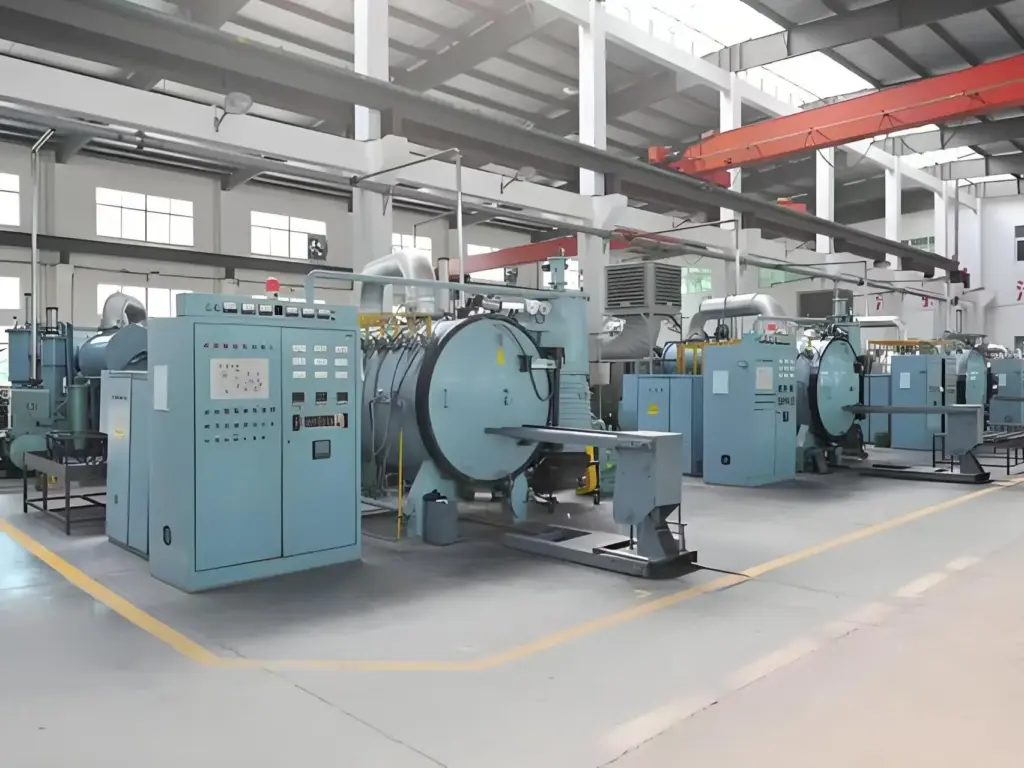
Quality assurance is integrated into every production stage rather than performed only at the end.
Inspection methods include:
- Incoming material inspection
- In-process dimensional inspection
- Magnetic flux testing
- Pull force testing
- Coating thickness inspection
- Visual inspection
- Final functional testing
Inspection reports can be provided according to customer requirements.
Step 7: Packaging and Logistics
Proper packaging protects precision components during international transportation.
Packaging options include:
- Individual protective packaging
- Anti-corrosion packaging
- Vacuum packaging
- Foam protection
- Customized cartons
- Export wooden crates
Products are shipped worldwide by air, sea, rail, or express courier depending on project requirements and delivery schedules.
Why Choose HS Hardwares for OEM Manufacturing?
With more than 20 years of manufacturing experience, HS Hardwares offers complete OEM solutions for industrial customers worldwide.
Our advantages include:
- Engineering design support
- Custom manufacturing services
- Precision magnetic components
- Precision metal stamping
- ISO 9001 quality management
- Flexible production volumes
- Competitive lead times
- Global export experience
From prototype development to mass production, our experienced engineering and manufacturing teams work closely with customers to ensure every project meets technical specifications, quality expectations, and delivery commitments.
Conclusion
A successful OEM project depends on much more than manufacturing capacity. Engineering expertise, material selection, process control, and quality management all play essential roles in delivering reliable products.
By partnering with an experienced OEM manufacturer like HS Hardwares, businesses gain a dependable production partner capable of transforming engineering drawings into high-quality finished products delivered on schedule.
Leave a Reply