
Blog

  • China’s Rare Earth Export Controls Suspension Extended to January 2027

    China’s Rare Earth Export Controls Suspension Extended to January 2027

    On 28 September 2026 China’s Ministry of Commerce announced that the suspension of its October 2025 rare earth export controls package has been extended — from 10 November 2026 to 10 January 2027. The April 2025 licensing regime was not part of that suspension and remains in force. This page explains which measure is which; we will update it if the position changes.

    Within hours of the announcement, two opposite readings were circulating among magnet buyers: that China had relaxed its rare earth export controls, and that absolutely nothing had changed. Neither summary is quite right, and the gap between them matters to anyone placing an NdFeB order — because almost every version we have seen conflates two separate Chinese measures that sit on completely different tracks.

    This article separates them. It is deliberately short on policy commentary and long on dates, because the practical question for a buyer is narrow: does this change what my order needs?

    (more…)
  • NdFeB vs SmCo Magnets: Which One Should You Choose?

    NdFeB vs SmCo Magnets: Which One Should You Choose?

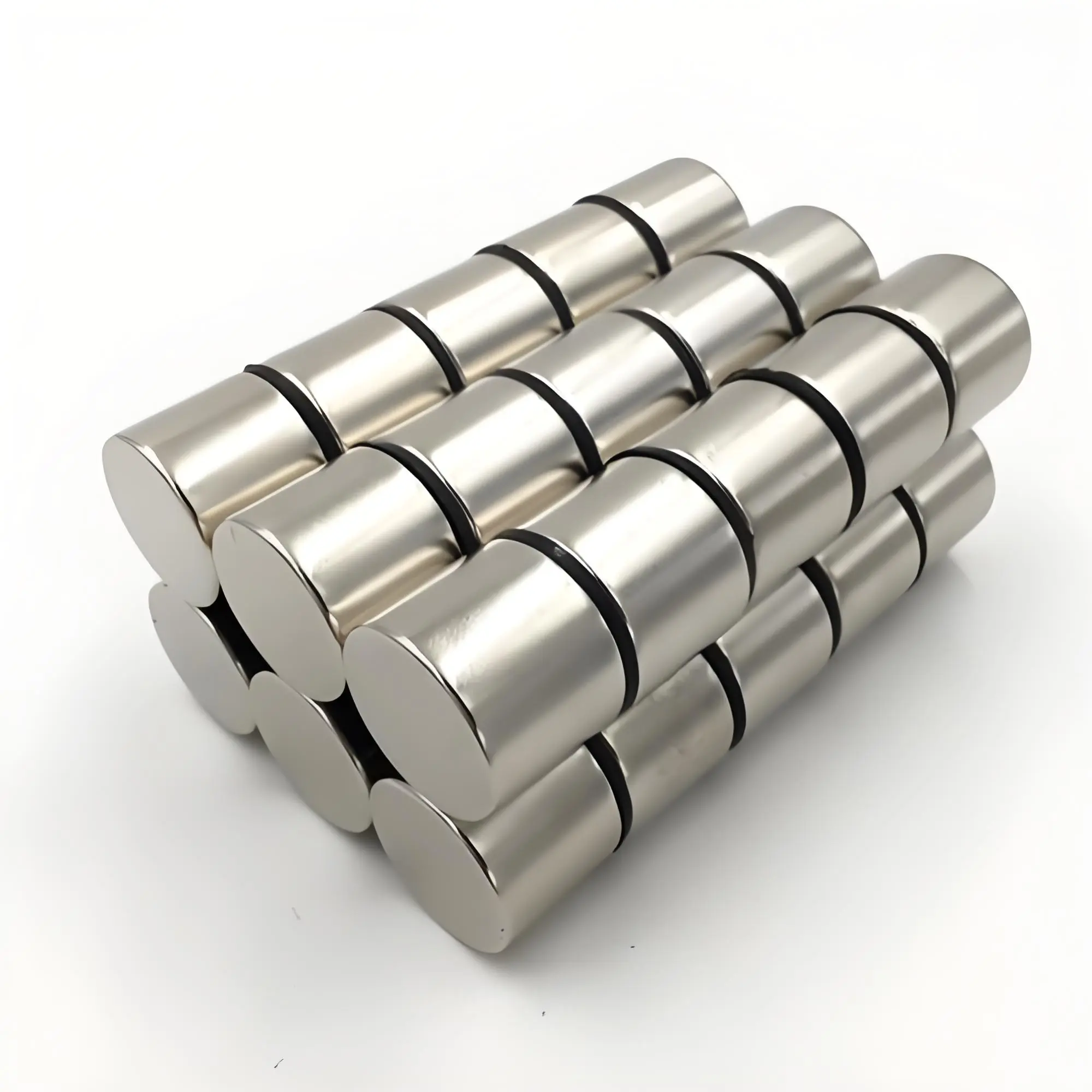
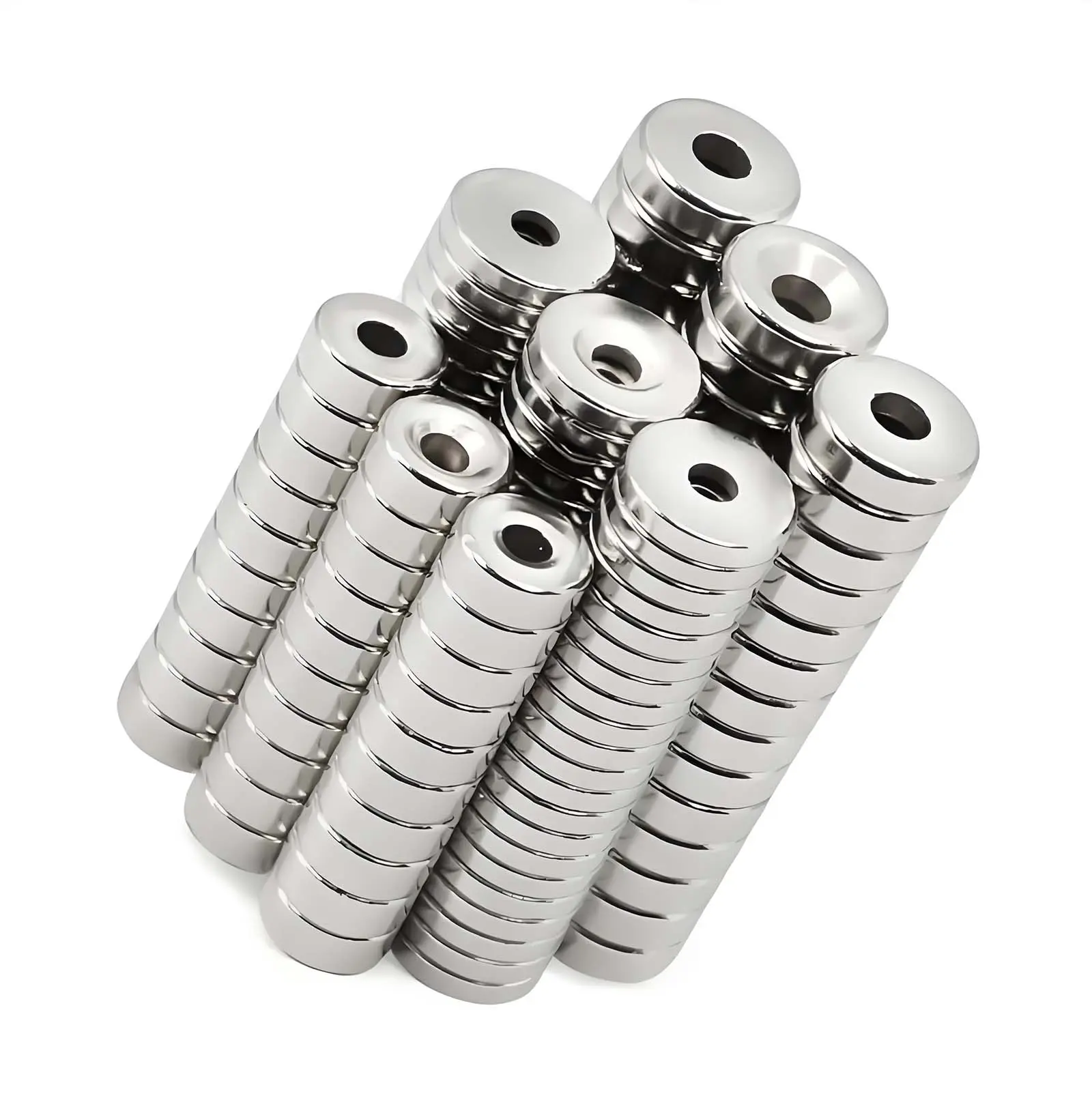
    The NdFeB vs SmCo question reaches our quoting desk in a familiar form: the same part, priced in both materials, because the customer’s thermal environment sits in the grey zone where either could work. And almost every one of those conversations starts from the same three misconceptions — that SmCo is “just a more expensive NdFeB”, that NdFeB cannot survive anywhere near a furnace, and that switching to SmCo is a way around China’s export-licensing paperwork.

    None of the three survives contact with the data. The honest NdFeB vs SmCo comparison comes down to three factors: how the temperature curve behaves, what the total cost really is once you include coatings and scrap, and what the export-control list actually says about each material. This article puts numbers on all three. If you want the per-grade detail behind the NdFeB side first, our neodymium magnet grades chart covers it.

    (more…)
  • Neodymium Magnet Grades Explained: N35 to N54, M, H, SH, UH, EH, AH Chart

    Neodymium Magnet Grades Explained: N35 to N54, M, H, SH, UH, EH, AH Chart

    Every week we receive RFQs that simply say “N52 magnets, 10,000 pcs, best price.” And every week we reply with two questions instead of a quote: what is your maximum working temperature, and how thin is the magnet? The reason is that the neodymium magnet grades system promises far less than most buyers assume: on a hot or thin part, an expensive high grade can be beaten by a cheaper one with the right temperature suffix.

    This is the reference we use internally when a grade discussion starts. It decodes the whole neodymium magnet grades system — the strength number (N35 to N54) and the temperature suffix (M, H, SH, UH, EH, AH) — with the actual values behind each code, and the selection logic we apply when customers ask us to pick for them. If you want to compare two specific grades right now, our grade comparison tool does the side-by-side math in a few clicks.

    If you are brand new to the material itself, start with what NdFeB magnets are, then come back here — this article assumes you know the basics.

    (more…)
  • NdFeB Export License Timeline: A Week-by-Week Procurement Schedule

    NdFeB Export License Timeline: A Week-by-Week Procurement Schedule

    Most articles about China’s magnet export controls end the same way: “licensing timelines vary, so plan accordingly.” That is true, and it is useless. If you are the person who has to commit to an installation date, “plan accordingly” is not a plan.

    So here is ours. We have run controlled NdFeB orders through China’s export licensing system since the regime took effect on 4 April 2025. On the basis of that experience, the licence itself takes about four months — and the practical consequence is that a controlled order needs to be launched five to six months before the magnets are needed. This article is the schedule we actually plan against, stage by stage, including where the time genuinely gets lost.

    If you are not yet sure whether your part is controlled at all, settle that first — our companion article Does Your Neodymium Magnet Need an Export License? The Dy/Tb Threshold Explained walks through the classification test, because that question decides which of two very different timelines you are on.

    (more…)
  • Does Your Neodymium Magnet Need an Export License? The Dy/Tb Threshold Explained

    Does Your Neodymium Magnet Need an Export License? The Dy/Tb Threshold Explained

    Since April 2025, almost every magnet enquiry we receive opens with a version of the same question: does this order need an export licence?

    The honest answer is that nobody can answer it from the grade, the datasheet or the drawing. Export control of NdFeB magnets in China is determined by the chemical composition of the finished magnet — specifically by whether it contains dysprosium (Dy) or terbium (Tb). Everything else is a proxy, and every proxy has exceptions.

    This article explains where the line actually sits, what is officially published and what merely circulates as folklore, why the same nominal grade can be controlled or uncontrolled depending on who manufactured it, and the four-step classification protocol we run before a controlled-looking order is allowed to ship.

    If you want the wider framework first — what the control regime covers, how licensing works, and what it does to lead times — start with our buyer’s guide to China’s NdFeB export controls.

    (more…)
  • Compliance Checklist for Importing Magnets from China: Documents, HS Codes and Tests

    Compliance Checklist for Importing Magnets from China: Documents, HS Codes and Tests

    Importing magnets is not a price-and-lead-time exercise. A magnet shipment crosses two separate classification systems, needs a document pack that most suppliers assemble only partially, and — if it flies — has to satisfy dangerous-goods rules that have nothing to do with export control at all.

    This is the checklist we use ourselves, in the order the questions actually come up. It assumes you already know whether your part is controlled; if that is still open, settle it first with our guide to the Dy/Tb classification test.

    (more…)
  • Europe’s Rare Earth Magnet Strategy: What the New Estonia Plant Means for Buyers

    Europe’s Rare Earth Magnet Strategy: What the New Estonia Plant Means for Buyers

    In September 2025, Europe switched on its first large-scale sintered NdFeB magnet factory in Narva, Estonia. For procurement teams who have spent the last two years navigating export licences, price volatility and single-source risk, this sounds like the beginning of a genuinely alternative supply chain. It is — partially. Europe is building real magnet capacity, and the Narva plant is a genuine milestone. But building factories turns out to be the fast part. The slow part is raw material, and that gap between the two is exactly what buyers need to understand before reshaping their sourcing strategy.

    This article explains what Europe has actually built, what the Critical Raw Materials Act promises, where the feedstock will — and will not — come from, and what a realistic sourcing plan looks like for the rest of this decade.

    (more…)
  • HRE-Free NdFeB: How Dysprosium-Free Grades Avoid License Delays

    HRE-Free NdFeB: How Dysprosium-Free Grades Avoid License Delays

    Since April 4, 2025, buying magnets from China has become a logistics exercise. Under Announcement No. 18 issued by China’s Ministry of Commerce and General Administration of Customs, neodymium magnets that contain terbium (Tb) or dysprosium (Dy) require an export license for every shipment — and in our direct experience through 2025 and 2026, that license takes about four months to obtain.

    But there is a category of NdFeB magnets that sits entirely outside this system: magnets made without any added dysprosium or terbium. These “HRE-free” (heavy-rare-earth-free) grades are not controlled items, ship on standard production lead times, and are technically viable for a large share of everyday applications — including many that currently use heavy-rare-earth grades out of habit rather than necessity.

    This article explains which grades qualify, what you give up engineering-wise when you drop dysprosium, who should switch and who shouldn’t, and how to run the evaluation with your supplier.

    (For the full export-control framework, see our companion guide: China’s Export Controls on NdFeB Magnets: What Announcement No. 18 Means for Buyers. You can also download our free Magnet Export Compliance Checklist (PDF).)

    (more…)
  • China’s Export Controls on NdFeB Magnets: What Announcement No. 18 Means for Buyers

    China’s Export Controls on NdFeB Magnets: What Announcement No. 18 Means for Buyers

    Last updated: September 2026. Export control regulations change over time — always confirm the current requirements with your supplier before placing an order. This article is for general information only and does not constitute legal advice.

    If you buy neodymium magnets from China, you may have heard that exports have become “more complicated” since 2025 — and you may be wondering what exactly is controlled, whether your magnets need an export license, and how this affects your lead times.

    The short version: since April 4, 2025, certain NdFeB magnets — specifically those containing terbium (Tb) or dysprosium (Dy) — as well as SmCo magnets, are subject to China’s export licensing regime under Announcement No. 18 of 2025 issued by the Ministry of Commerce (MOFCOM) and the General Administration of Customs (GACC). Magnets that do not contain these heavy rare earth elements are, based on the announcement and official clarifications, outside the controlled magnet categories.

    This guide explains, from a manufacturer’s perspective, what is controlled, which grades need a license, how long the licensing process actually takes, what documents matter, and how to plan your procurement around it.

    (more…)
  • Common Defects in Metal Stamping and Solutions

    Common Defects in Metal Stamping and Solutions

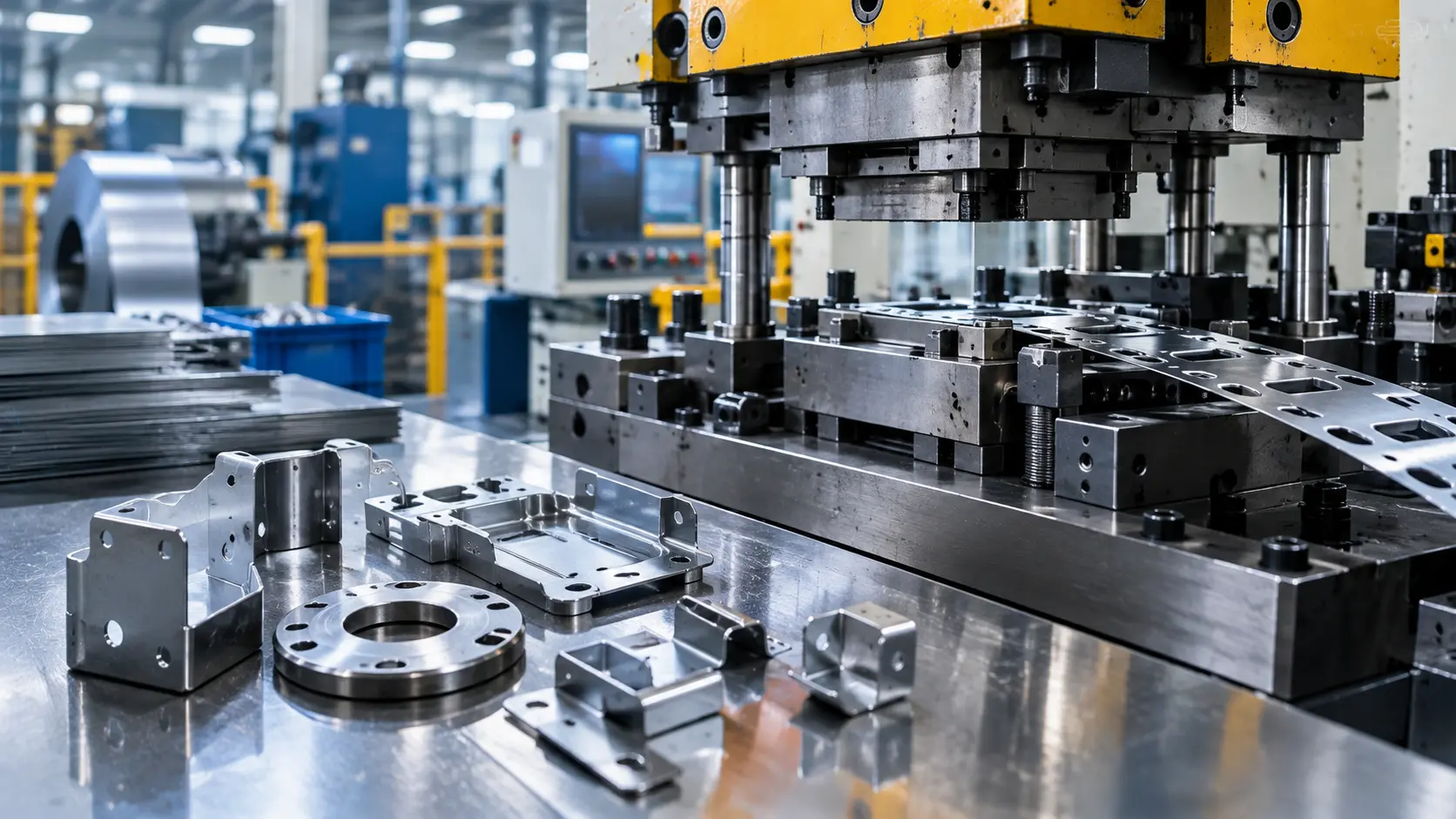
    Metal stamping is one of the most efficient manufacturing processes for producing high-volume precision components. It is widely used in automotive systems, industrial equipment, electric motors, electronics, appliances, and automation machinery. However, even well-designed stamping operations can experience quality issues that affect dimensional accuracy, surface finish, mechanical performance, and production efficiency.

    Understanding common metal stamping defects and their causes is essential for improving product quality and reducing manufacturing costs. This article explains the most common defects in metal stamping and practical solutions for preventing them.

    (more…)